
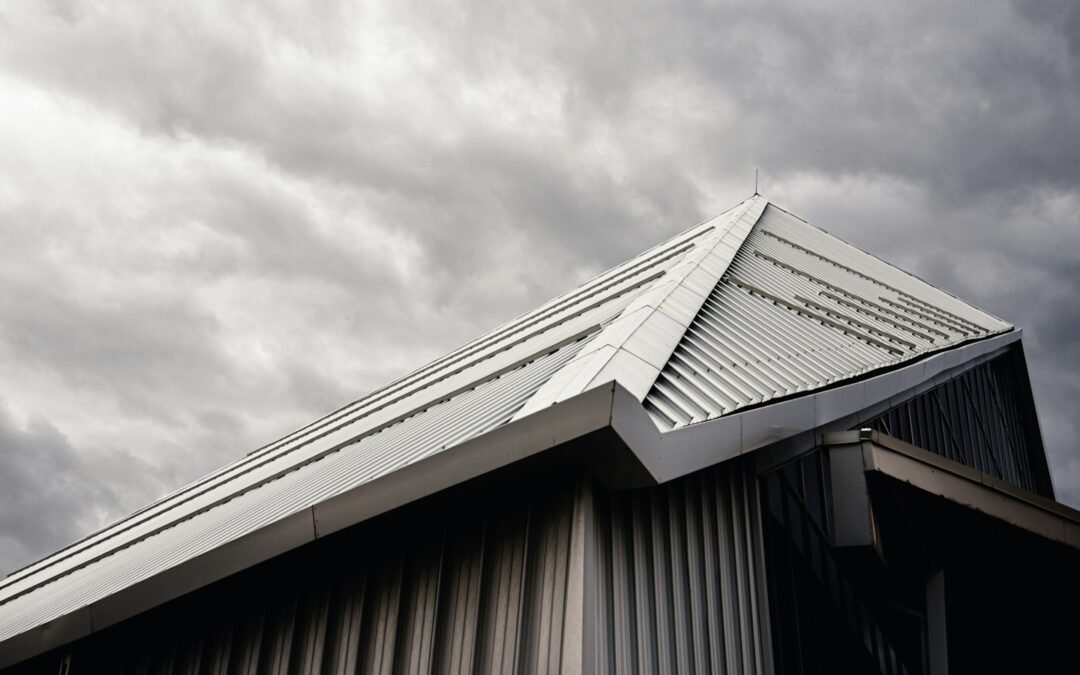
Homeowners in Gig Harbor, Redmond, and North Bend ask us this question in nearly the same words: is the 50-year claim real? The honest answer is yes, with conditions. A well-made metal roof, correctly installed, can realistically last 50 years or more in Western Washington. A cheaper metal roof often will not, and the difference is not in the metal itself. It is in the coating, the fasteners, the details, and how the roof is cared for over the decades. Here is what our climate actually does to a metal roof, and what separates the ones that last from the ones that do not.
The Coating Matters More Than the Metal
Most residential metal roofing is steel, protected first by a metallic coating and then by paint. The paint system is where the long lifespans are won or lost. The premium option is a PVDF finish, commonly sold under the Kynar 500 name, which resists fading and chalking for decades under our combination of ultraviolet light and constant moisture. The cheaper options are polyester and silicone-modified polyester paints, which cost less and start chalking and fading noticeably sooner, especially on south-facing slopes.
Panel thickness matters too. If one metal bid is far below another, ask which paint system and which gauge each is quoting. That is almost always where the difference is.
Fasteners Are the Weak Link
There are two families of metal roofing. Exposed-fastener panels, the corrugated and ribbed styles common on shops and barns, are held down with thousands of screws, each with a rubber washer. Those washers age under sun and the daily wet-dry cycle, and the screws work loose as the panels expand and contract. Fifteen or twenty years in, an exposed-fastener roof usually leaks at the screws long before the panels wear out. It is fixable, but it is maintenance you should plan on.
Standing seam panels use concealed clips under the seams, so there are no exposed penetrations across the roof field. This is the profile that earns the long lifespans people expect from metal.
Moss on Metal: Less, but Not Zero
Metal sheds moss far better than shingles. The surface is smooth and there are no granules to hold moisture. But on a north slope under firs in Snohomish or Issaquah, needles collect along seams, behind pipe flashings, and on low-slope sections, and moss grows in that debris just as it does in a gutter. Keeping the debris rinsed off is the whole job. What you should never do is pressure wash a coated metal roof aggressively, because damaging the finish does far more harm than the moss would have.
Salt Air Near the Sound
Homes on Whidbey Island, Bainbridge Island, and the Mukilteo waterfront see accelerated corrosion at cut edges, scratches, and fasteners. Manufacturers often apply different warranty terms within a set distance of saltwater, so read that section of the warranty carefully. Aluminum panels or higher-grade coatings, sealed cut edges, and an occasional freshwater rinse make a real difference near the beach.
Noise and Rain: The Myth
A metal roof installed over solid decking, with underlayment and an insulated attic beneath it, is not noticeably louder in rain than a shingle roof. The drumming people remember comes from panels laid over open framing in a barn or a carport. Our rain, most of the time, is a steady drizzle rather than a downpour anyway.
Snow Shedding in the Foothills
In Seattle and the lowlands this rarely matters. In North Bend, Snoqualmie, and the higher parts of the Sammamish plateau, it does. Metal sheds snow in slabs, which is a good thing for the roof and a hazard for whatever is underneath. Plan on snow guards above entries, walkways, decks, and lower roof sections, and make sure the gutter design accounts for sliding snow.
Cost Versus Lifespan Compared to a 50-Year Shingle
Metal costs more up front than shingles, sometimes considerably more. Our typical replacement is a 50-year architectural shingle carrying a 45 to 50 year manufacturer warranty, backed by our 15-year workmanship warranty. Both systems can be long-lived roofs in this climate. Metal wins when you want to roof the house once, when you have snow or heavy debris to shed, or when you want the look. Shingles win on upfront cost, on ease of matching a repair, and on the range of warranty programs available. What we will not tell you is that any metal roof automatically outlasts a good shingle roof. A cheap exposed-fastener panel with a polyester finish does not, and a well-ventilated shingle roof with moss kept in check does very well here.
Get a Straight Answer on Metal
If you are weighing metal against shingles for a Puget Sound home, we will walk your roof, talk through the profiles and coatings that make sense for your site, and give you numbers for both. Premier Roofing NW has installed roofs across the Greater Puget Sound area for more than 30 years, and our inspections and estimates are free, with no pressure. Discounts are available for seniors, military, and first responders. Call us at (425) 247-0088 and we will help you decide whether a metal roof is the right 50-year plan for your home.