
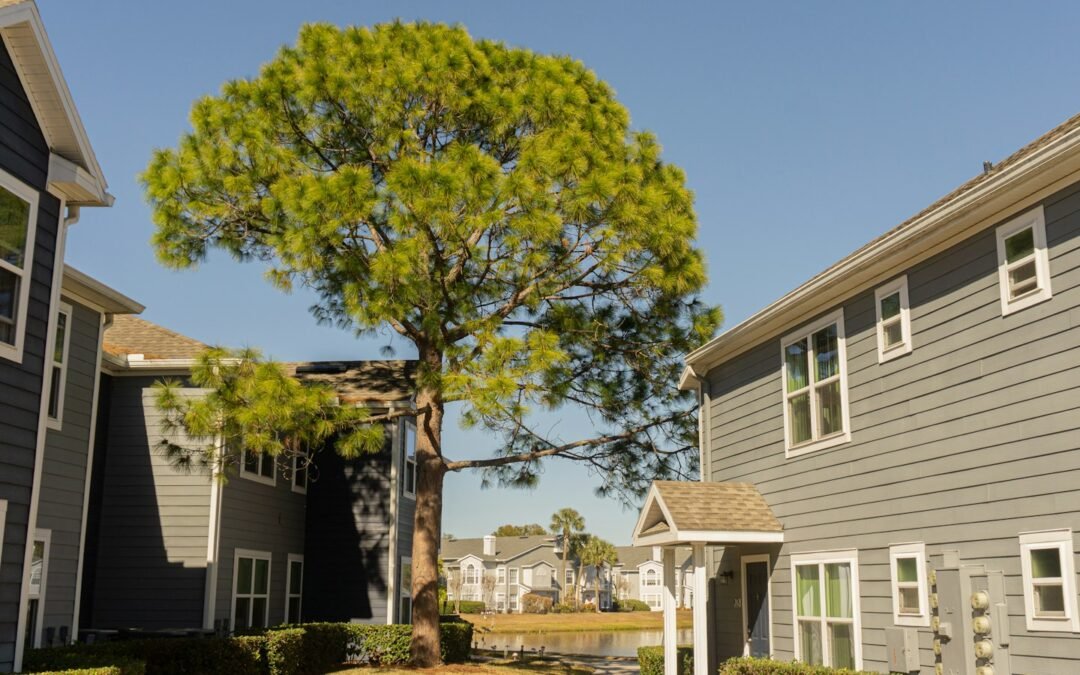
If you sit on an association board or manage multi-family property in Bothell, Kent, or Everett, roofs are probably the largest single line in your reserve study and the one most likely to surprise you. A leak into a top-floor unit in January is expensive, disruptive, and nearly always avoidable. The communities that stay ahead of it share one habit: they assess every roof in the fall, on a schedule, and let that assessment drive the next year’s budget. Here is how to run one.
Start With an Inventory
Build a simple record for every building: year the roof was installed, material, approximate size, known leaks, repairs made and by whom, and any warranty paperwork on file. Communities built in phases often have roofs of several different ages, and communities that have changed management companies often have gaps in the records. Fill them in from permit history, prior contractor invoices, and long-time residents who remember when a building was reroofed. An inventory does not need to be perfect to be useful. It needs to exist.
Walk Every Building, Not a Sample
It is tempting to inspect two or three representative buildings and extrapolate. Do not. A building on the north side of a wooded property under a stand of firs ages years faster than an identical building on the open south side, and the only way to know is to look. A proper fall assessment walks every roof and documents each one with photographs against a consistent checklist: shingle condition and granule loss, moss coverage, flashing at walls and penetrations, skylights, vents, gutters and downspouts, soft spots in the decking, and the condition of past repairs.
Rate every building on the same scale. We like a simple one:
- Replace within the next year
- Replace within two to three years
- Replace within four to six years, maintain in the meantime
- Sound, repair and maintain
That ranking is the foundation for everything that follows.
Reserve Study Realities
Most reserve studies assign a generic useful life to roofing based on the material and install date. Real roofs do not read the study. Some buildings will need replacement well ahead of the projected date, others will run past it. A fall assessment gives your reserve specialist actual condition data to update the schedule and the funding plan, which is the difference between a steady reserve contribution and a special assessment. Boards would much rather learn in October that Building C has three years left than learn it from a resident’s ceiling in January.
Phase Replacements Over Several Years
Few communities can replace every roof at once. A phased plan spreads the cost, keeps the reserve healthy, and lets you learn from the first phase before the second. Some principles that work:
- Worst buildings first, using the ranking from the assessment, not the order the buildings happen to be numbered
- Group by proximity so staging, dumpsters, and material deliveries serve several buildings at once
- Keep one product line across phases so the community looks consistent and the warranties match
- Plan a three to five year rollout and revisit it after each fall assessment
Using one contractor across the phases means one set of details, one warranty holder, and one number to call. We do this kind of multi-year work with associations, and the plan is always simpler when the assessment came first.
Communicate With Residents
Roof work on occupied buildings goes far better when residents know what is coming. Share the assessment results and the phasing plan, so people understand why Building C goes first and their building goes in two years. Before each phase, give clear notice on dates, parking, noise, where to keep pets, satellite dishes and balcony items, and how skylights will be protected. In the interim years, make sure every resident knows how to report a leak and that the association has a contractor to call for emergency tarping when the November windstorms arrive.
Why a Fall Assessment Feeds a Spring Budget
The calendar is the point. A fall assessment gives the board the winter to review findings, update the reserve plan, and set the budget. Bids go out in early spring, and work happens in the dry months of summer. Any urgent repairs the assessment turns up get handled before the wet season, not during it. And the photo documentation from the assessment gives you a dated record of each roof’s condition, which matters a great deal if a windstorm damages a building and an insurance claim follows.
Run the same assessment every fall, and within a few years the board has a real history of every roof and a replacement plan that holds up.
Bring Us In for the Assessment
Premier Roofing NW has served the Greater Puget Sound area for more than 30 years, including commercial and multi-family roofing for associations and property managers from Kirkland to Tacoma. We are GAF Master Elite certified, our inspections are free, and we are glad to walk every building on your property, deliver a documented condition report with photographs, and help you build a phased plan your reserve study can live with. Call us at (425) 247-0088 and let us get your fall assessment on the calendar before the rain settles in.