
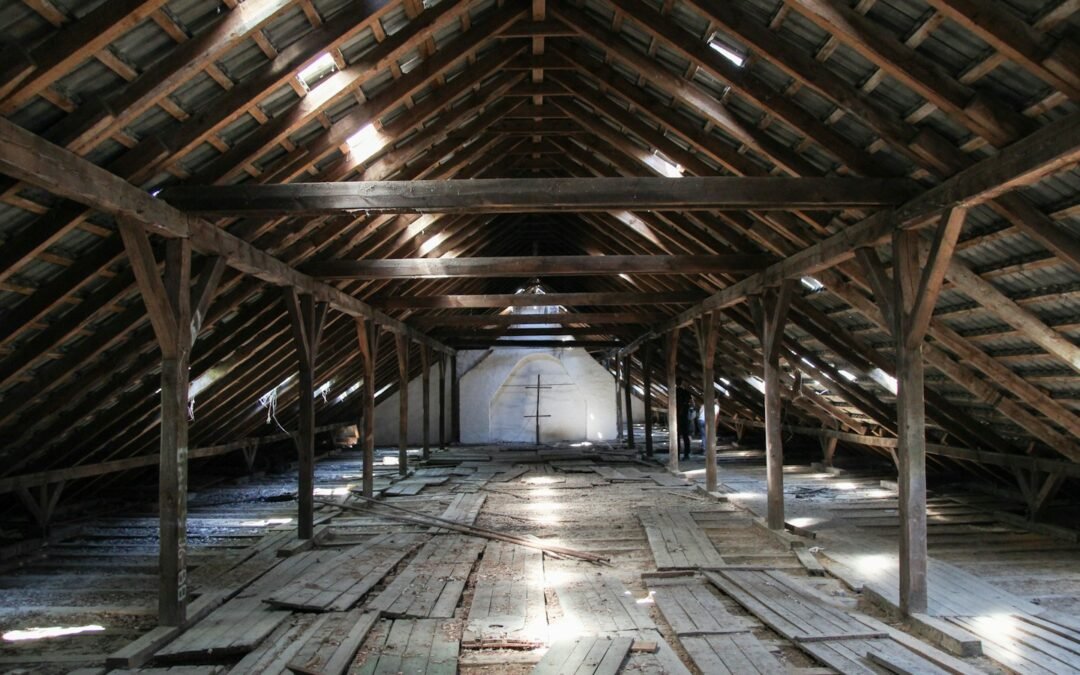
Most of the roof damage we find in western Washington comes from rain. Some of it comes from inside the house. Every winter, our crews open attics in Everett, Redmond, and Gig Harbor and find moldy sheathing, frosted nail tips, and damp insulation on roofs that have never leaked a drop. The water got there from below. Here is how that happens, why it is worse in our climate, and what a properly ventilated attic looks like.
Where the Moisture Comes From
A household generates a lot of water vapor from showers, cooking, laundry, and breathing, and in summer most of it leaves through open windows. From October through April, the windows stay shut and warm moist air rises. It finds its way into the attic through every gap: recessed light cans, the attic hatch, plumbing and wiring penetrations, the tops of interior walls, and unsealed ductwork. There it meets a roof deck sitting near the outdoor temperature, which around here means the 30s and 40s for months. Warm air hitting a cold surface condenses. That is the whole mechanism.
Our climate makes it worse in a specific way. Puget Sound winters are not cold enough to freeze the moisture and hold it, and not warm enough to dry it out, so the deck stays cool and damp for weeks. Mold does not need much more.
The Bathroom Fan Problem
Of everything we find in attics, the most common and most damaging is a bathroom exhaust fan that vents into the attic instead of through the roof or a gable wall. Sometimes the duct was never connected, sometimes it fell off years ago, and sometimes it ends a foot short of a roof vent. Either way, every shower pumps warm, saturated air straight onto cold wood. The result is a patch of mold above the bathroom that spreads each winter, and eventually soft, delaminated plywood. Dryer vents and range hoods that end in the attic do the same thing. If you have never confirmed where your fans actually terminate, that is the first thing to check.
Blocked Soffits
Attic ventilation only works as a system: air comes in low at the soffits, warms slightly, rises, and leaves high at the ridge. If the soffit intake is blocked, the ridge vent has nothing to pull from and the attic goes stagnant. The usual culprit is insulation. Blown-in insulation added over the years slumps into the eaves and covers the vents, or batts get pushed tight against the deck at the edges. Baffles, the channels that hold insulation back and keep an air path open at each rafter bay, are missing far more often than they should be. In older homes around Snohomish and Monroe, we also find soffits covered over during a siding job, with no venting left at all.
What the Damage Looks Like
The early signs are subtle and almost always found from inside the attic:
- Frost or water droplets on the tips of roofing nails poking through the deck, usually on cold clear mornings
- Dark staining or fuzzy growth on the sheathing, often heaviest on the north side and above bathrooms
- Rusted nail heads and rust streaks running down from them
- Insulation that is compressed, damp, or musty
- Water stains on the top plates of exterior walls where condensation ran down the rafters
Left alone for enough winters, condensation does what a leak does: rots the deck, corrodes fasteners, and shortens shingle life from underneath. We have replaced sheathing on roofs barely fifteen years old for exactly this reason.
What Balanced Ventilation Looks Like
The goal is roughly equal intake and exhaust, with intake at the eaves and exhaust at or near the ridge. Continuous soffit vents with baffles at every rafter bay, paired with a continuous ridge vent, is the arrangement we prefer on most homes. Box vents can work where a ridge vent does not fit. What does not work is exhaust without intake, or mixed exhaust types that short-circuit each other. Alongside ventilation, the attic floor should be sealed: gasketed light cans, a weatherstripped hatch, foamed penetrations, and every exhaust fan ducted with rigid or insulated duct to a proper roof or wall cap.
How We Check During an Inspection
Every free roof inspection we do includes the attic when we can get access. We look at the sheathing for staining and frost, check that the soffit vents are actually open behind the insulation, trace each exhaust duct to where it ends, and judge whether the total vent area is reasonable for the attic size. If the ventilation is wrong, we will tell you and separate the roofing fixes from the insulation or fan fixes. On a replacement, we correct ventilation as part of the job, because a new 50-year shingle over an unventilated attic will not see 50 years.
Get Your Attic Checked Before the Cold Sets In
Premier Roofing NW has served the Greater Puget Sound area for more than 30 years, and attic moisture is one of the most preventable problems we see. If you have noticed a musty smell or ceiling staining, or have never confirmed where your bathroom fans go, call us. Inspections and estimates are free. Discounts are available for seniors, military, and first responders. Call (425) 247-0088 and we will look at your roof from both sides.