
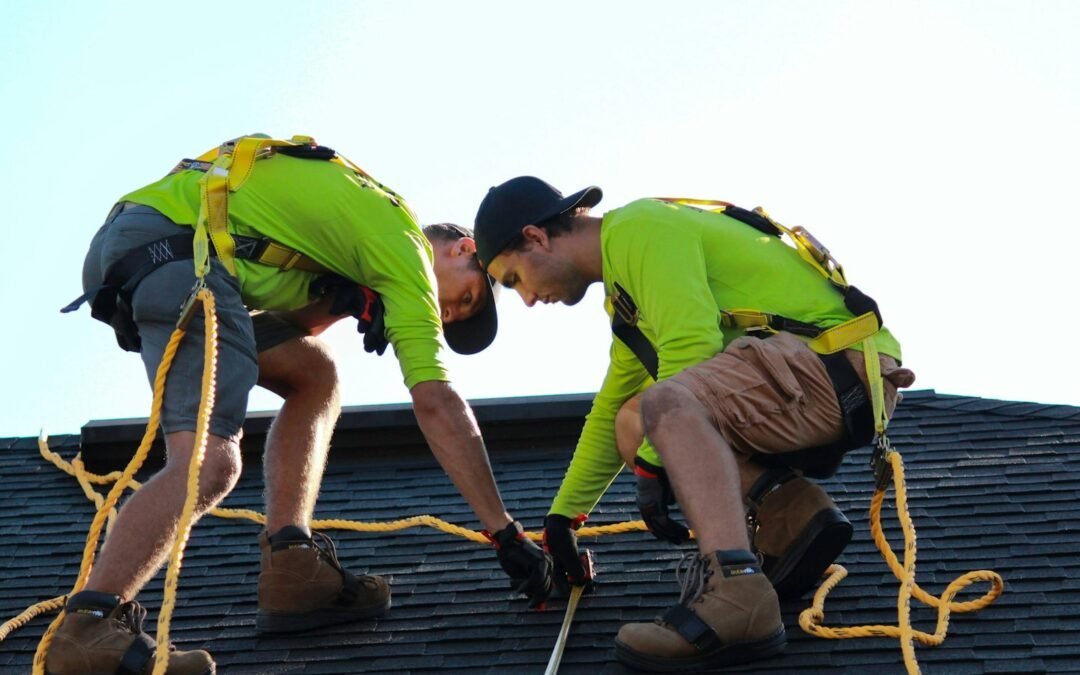
Every November, a certain kind of call comes in. The roof has been on the list all year, the estimate is sitting on the counter, and now the homeowner in Lynnwood or Gig Harbor is looking at a calendar and wondering whether there is any realistic way to get it done before family arrives in December. The answer is usually yes, but the timeline looks different than it does in August. Here is what a late-fall replacement actually involves.
Booking Is Often Faster Than You Expect
From May through September, calendars across King and Snohomish counties are packed, and a replacement may be several weeks out. In November and December, demand drops as homeowners assume roofing season is over. It is not. Our crews work year round, and late-fall bookings often carry shorter waits than summer ones. If you call in mid-November, a start date before the holidays is a reasonable expectation, not a long shot.
We Plan Around Weather Windows, Not Calendar Dates
The main difference in late fall is that the start date is a target, not a promise. We watch the forecasts closely for several days out and schedule tear-off for the driest stretch available. Western Washington in November means a front every two or three days, but it also means breaks between them, and those breaks are what we build around.
If an atmospheric river moves in on the morning we planned to start, we push a day or two. That is not a problem. It is the plan working.
We Tear Off Only What We Can Dry In
This is the rule that makes wet-season roofing safe. On a July job, a crew might strip a whole roof in the morning and shingle through the afternoon. In November, we strip a section, get underlayment and ice and water shield down over it, and make it watertight before moving to the next section. Nothing is left open overnight. If the sky turns mid-afternoon, the exposed area is small and covered within minutes.
For a typical single-family home, this means the project may take a day or two longer than it would in summer. A roof that is a two-day job in August might be three or four days in November. The result is the same roof, installed to the same standard, with the same 50-year shingle and the same warranties.
Protecting Your Yard in Wet Ground
Late fall means soft, saturated soil. We lay plywood paths where the dump trailer and material deliveries need to cross the lawn, so a truck does not leave ruts you will be looking at until May. Tarps go over shrubs, beds, and anything under the eaves that could catch falling debris. If you have landscaping you are particularly concerned about, tell us when we walk the property and we will plan around it.
Daily Cleanup Matters More in the Rain
Roofing debris in a dry yard is a nuisance. Roofing debris in a wet yard gets tracked into the house, buried in mud, and is harder to find with a magnet. Our crews clean up at the end of every day, not just the end of the job: nails swept with rolling magnets, shingle scraps bagged, gutters cleared of tear-off debris.
Noise, Timing, and a House Full of People
A roof replacement is loud. Tear-off in particular sounds like a hailstorm from inside the house, and it starts early. If you work from home, have a napping toddler, or have relatives staying with you, plan around it.
If your goal is to have the roof done before guests arrive, tell us the date and we will build the schedule backward from it, with a buffer for weather. What we will not do is rush a roof to hit a date. If the last dry window before your gathering closes, we make the roof watertight and finish the remaining details after the holiday rather than shingle in a downpour.
What a Realistic Timeline Looks Like
Here is a typical sequence for a late-fall replacement, understanding that weather sets the pace:
- Week one. Free inspection and estimate. Material and color selection. Contract signed and materials ordered.
- Week two. Materials delivered. Start date targeted to the forecast.
- Two to four working days. Tear-off, decking inspection and any repairs, underlayment, shingles, flashing, ridge vent, cleanup. Spread across a few days as the weather allows.
- Final walk-through. We walk the roof and the yard with you, hand over warranty paperwork, and register any enhanced warranty.
From first call to finished roof, three to four weeks is common in November. That gets a mid-November call done before the holidays in most years.
Let Us Look at the Calendar With You
If your roof is on the list and you would like it handled before the year ends, call us. Premier Roofing NW has served the Greater Puget Sound area for more than 30 years, from Gig Harbor and Tacoma to Lynnwood and Mount Vernon, and we are GAF Master Elite certified. Inspections and estimates are free, financing is available through Enhancify, and we offer discounts for seniors, military, and first responders. Call (425) 247-0088 and we will tell you honestly what a start date before the holidays looks like for your home.