
When a shingle manufacturer prints “Lifetime Warranty” on the wrapper, what they’re describing is performance in a controlled, average climate. The Pacific Northwest is not that climate. Our crews at Premier Roofing NW have spent more than thirty years watching shingles age in real PNW conditions, and the picture is more nuanced than the warranty sticker suggests.
What “Lifespan” Actually Means in the PNW
A 30-year shingle in Arizona and a 30-year shingle in Olympia are the same product on paper. In the field, they age very differently. PNW shingles deal with:
- Eight to nine months of regular rain, with surfaces staying wet for days at a time
- Persistent shade on north-facing slopes, which means moss and lichen take hold and don’t get baked off by summer sun
- Freeze-thaw cycles at elevations like the foothills around Monroe and North Bend, where water trapped in tiny shingle imperfections expands and contracts repeatedly
- Marine humidity that keeps even south-facing slopes from fully drying out in winter
- Intense summer UV during a short, dry season that hits shingles already softened by months of moisture
The realistic lifespan we see on a quality architectural shingle in our region runs roughly eighteen to twenty-eight years, depending on slope orientation, tree cover, ventilation, and maintenance. That’s a wide range, and the difference between the low and high end of it is almost entirely about choices the homeowner controls.
Architectural vs Three-Tab in a Wet Climate
Three-tab shingles still exist and still get installed, but for PNW conditions, they’re a poor fit. Their flat profile holds debris and moisture longer, the cutouts between tabs are direct water paths, and the lighter weight makes them more prone to wind lift in our convergence-zone gusts. We typically see three-tab roofs in this region needing replacement at fifteen to twenty years, sometimes less.
Architectural shingles — the dimensional, laminated product that most homes get today — perform meaningfully better here. The thicker mat resists moss intrusion longer, the layered profile sheds water faster, and the heavier weight stays put in wind. For PNW homes, architectural is the floor for new installs, not the ceiling.
Premium designer shingles and impact-rated products extend the range further, particularly in foothills areas where hail and ice are more common. But the jump from three-tab to standard architectural is the biggest single quality improvement available in the asphalt category.
What Shortens Shingle Life Here
We can usually tell within five minutes of being on a roof what’s been aging it prematurely. The most common culprits in the PNW:
- Moss and lichen left untreated. The root systems lift shingle edges, hold moisture against the mat, and accelerate granule loss
- Inadequate attic ventilation that traps winter moisture and summer heat, cooking shingles from below
- Overhanging trees that drop debris into valleys, block sun from drying the surface, and abrade shingles in wind
- Poor flashing details at chimneys, skylights, and sidewalls — failures here let water get under shingles and rot the deck without ever lifting a tab
- Walking on hot or cold shingles, which damages the mat invisibly and shows up years later as cracking
Most of these are addressable. None of them are about the shingle product itself.
What Extends Shingle Life
The same factors run the other direction. Roofs we’ve inspected in Bothell, Mill Creek, and Renton that are pushing thirty years on architectural shingles almost always share a pattern:
- Proper ridge and soffit ventilation balancing the attic
- Annual or biennial moss treatment, not just reactive cleaning after problems appear
- Trees kept trimmed back from the roof plane
- Gutters that actually flow, so water isn’t backing up under the first course
- A roofer (us, usually) doing a free inspection every few years to catch flashing or sealant issues before they cascade
A roof that gets that kind of care will reliably outlast its warranty bracket. A roof that gets none of it will fail well short of it, regardless of the shingle’s printed lifespan.
The Replacement Conversation
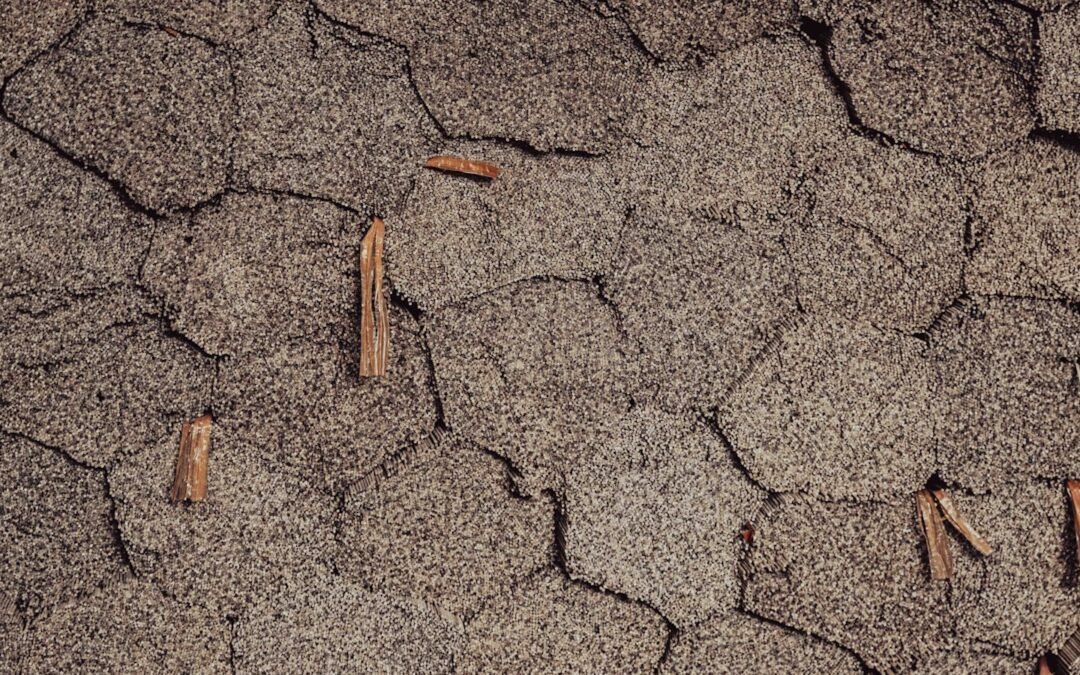
The hard part for most homeowners is knowing when a roof has shifted from “aging normally” to “actively failing.” Granule-clogged gutters, curling tab edges, exposed fiberglass mat, repeated small leaks, and dark streaks that don’t respond to cleaning are all signals that the shingle is past its useful service life. By the time you’re patching annually, replacement is almost always more sensible than continued repair.
For most PNW asphalt roofs, we recommend a baseline inspection at year fifteen, then every two to three years after, regardless of how the roof looks from the ground. The goal is to make the replacement decision on your timeline — not on the timeline of a leak.
If you’re unsure where your roof falls on that curve, our team is happy to take a look. Call Premier Roofing NW at (425) 247-0088 to set up a free inspection. We’ll give you an honest read on how much life is left, what would extend it, and when replacement actually makes sense.