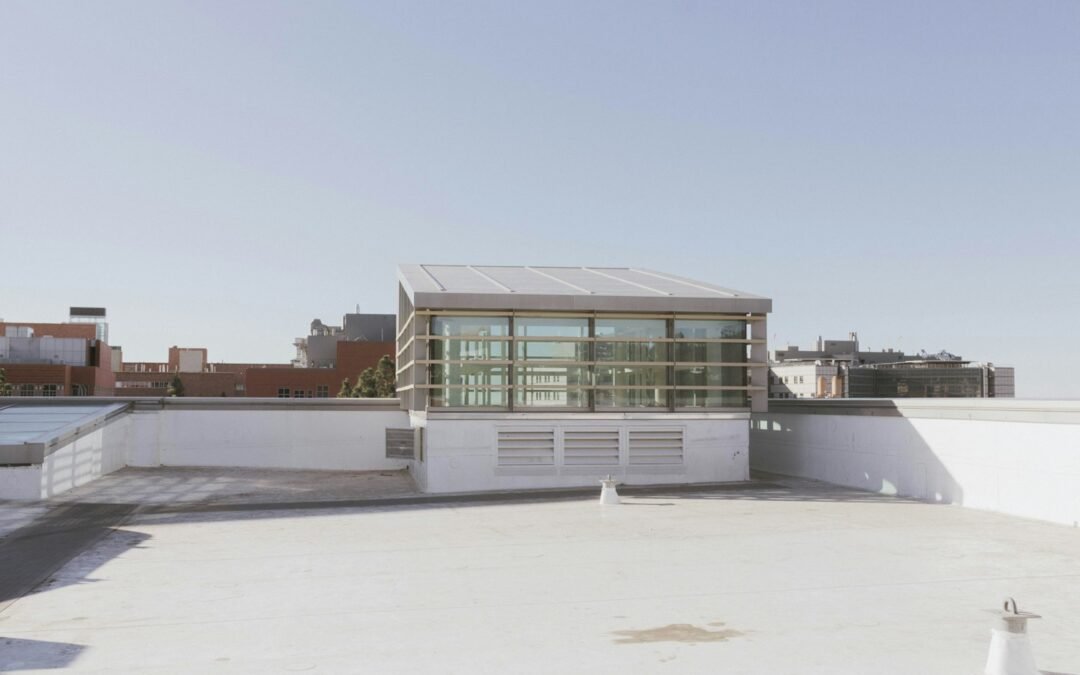
A pitched residential roof is forgiving. Water hits it and leaves. A flat or low-slope commercial roof is a different animal. Water has to be led off deliberately, through drains, scuppers, and carefully sloped insulation, and nearly everything that goes wrong with these roofs in a Puget Sound winter traces back to water that did not leave. If you manage a warehouse in Kent, a strip retail building in Marysville, or a multi-family complex in Renton with a flat roof, late October is the last comfortable window to walk it before the rain settles in for good.
Know What You Are Standing On
Most low-slope roofs in our area fall into a handful of systems. TPO and PVC are single-ply membranes, usually white or light gray, with heat-welded seams. EPDM is a black rubber membrane with glued or taped seams. Torch-down, also called modified bitumen, is an asphalt-based sheet applied with heat, common on older and smaller buildings. Each has its own failure points, but they share the same enemy: standing water working at seams, flashings, and penetrations for months at a time.
If you do not know which system is on your building, find out first. It determines how repairs are made and how seams should be inspected.
Drains and Scuppers: The First Thing We Check
A commercial roof drains through interior drains, through scuppers cut into the parapet wall, or both. Every one of them is a funnel for whatever the wind and trees put on the roof. In this region that means fir needles. Needles mat together over a drain strainer and form a nearly waterproof plug. Big-leaf maple leaves in late October and November finish the job.
On a fall service visit we clear every drain and scupper, check that strainers are present and intact, and confirm water actually flows once the debris is gone. We also look at the overflow scuppers, which many building owners never think about. They are the safety valve when primary drains fail, and they need to be open too.
Ponding Water and What It Tells You
Membrane manufacturers generally treat water that is still sitting on a roof about two days after rain as ponding, and a low-slope roof is not designed to tolerate ponding indefinitely. It adds weight, it accelerates aging of the membrane under the puddle, it breeds algae that makes the roof slick and hides defects, and in a freeze it turns into an ice sheet that stresses seams.
Ponding happens for a few reasons: a clogged drain, insulation that has crushed or shifted, a deck that has sagged, or a roof that was never sloped correctly to begin with. After a fall rain, look at your roof from any vantage point you can reach safely. Puddles that are still there two days later are marking the spots that will leak first. The fix may be as simple as clearing a drain or as involved as adding tapered insulation. Either way, it is far cheaper to address in October than to discover through a wet ceiling in January.
Seams, Flashings, and Penetrations
The membrane field rarely fails on its own. Seams and edges do. On TPO and PVC we look for seams that have lifted, wrinkled, or show a visible void in the weld. On EPDM we probe taped seams for loss of adhesion. On torch-down we look for laps that have opened and granule loss that exposes the asphalt.
Then we walk every penetration: plumbing vents, electrical conduits, drains, and especially rooftop HVAC units. HVAC curbs are among the most common leak sources on the commercial roofs we inspect in Tacoma and Everett. The curb flashing takes vibration from the unit, foot traffic from technicians, and often a condensate line dripping onto the same spot all summer. A five-minute repair in October becomes a months-long leak into a tenant space by February.
Parapet walls, coping caps, and termination bars round out the list. Where the membrane ends is where the water gets in.
Why a Fall Service Visit Pays for Itself
A commercial roof leak is not just a roof problem. It is water on inventory, on equipment, on a tenant’s floor, and on your relationship with that tenant. It usually arrives during an atmospheric river event in the middle of a wet week, when access is difficult, seams cannot be welded on a wet surface, and the best anyone can do is a temporary patch until a dry window opens.
Compare that to a scheduled visit on a dry October day: drains cleared, seams checked, curbs resealed, a written report with photos, and a list of anything that should be budgeted for next year. That visit is a line item. The January leak is a crisis.
Schedule a Fall Roof Service Visit
Premier Roofing NW handles commercial and multi-family roofing across the Greater Puget Sound area, and we have spent more than 30 years learning how low-slope roofs behave through our winters. We offer free inspections and free estimates for building owners and property managers, with a clear written scope and no pressure to do anything beyond what the roof actually needs. Call us at (425) 247-0088 and we will get your drains clear and your seams checked before the rain does the inspecting for you.