
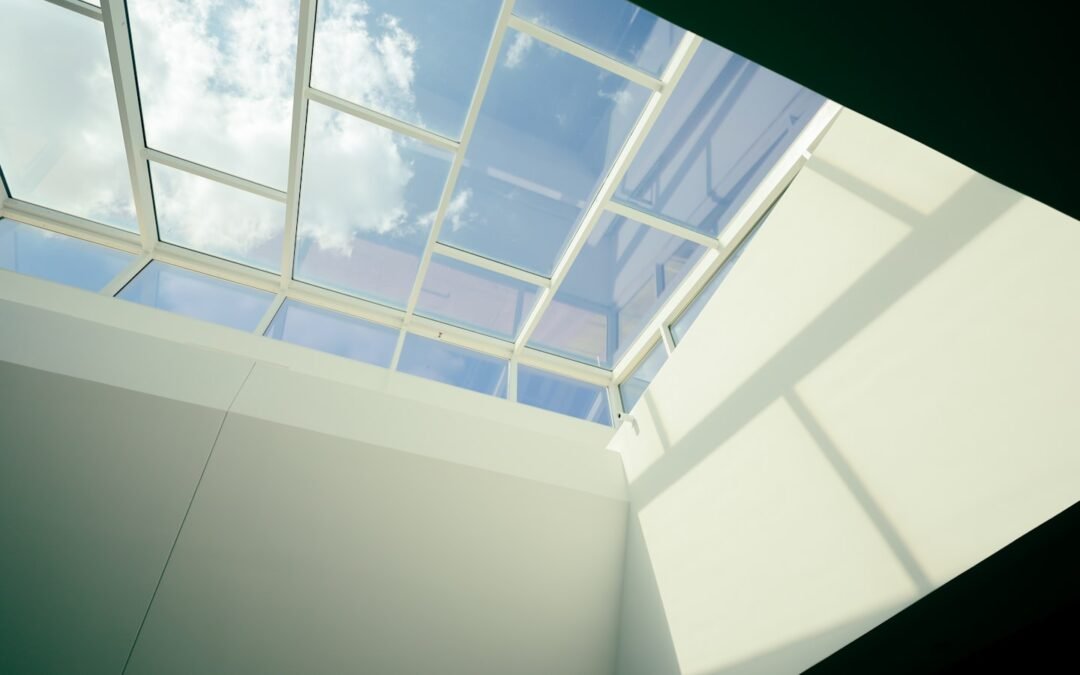
Walk through a Bothell living room in November and you will understand why people want skylights. Three thirty in the afternoon, lamps already on, that particular PNW grey pressing against every window. A well-placed skylight changes the entire feel of a home through the dark months, and right now is the best stretch of the year to put one in.
Why Skylights Hit Different in the Pacific Northwest
The Northwest gets dim, not just dark. From late October through March, our overcast skies deliver diffuse light that struggles to penetrate north- and east-facing rooms. A south- or west-facing skylight pulls in significantly more usable light than a wall window the same size, because it sees more of the sky for more of the day.
Kitchens, primary baths, stairwell landings, and central hallways, the rooms that never got enough light from the original window plan, are where skylights earn their keep. Our crews at Premier Roofing NW install dozens every summer across Bothell, Mill Creek, and Kirkland for exactly this reason.
Why Mid-Summer Is the Right Install Window
A skylight is a hole in your roof. That sentence makes some homeowners nervous, and it should make every contractor humble. The reason mid-summer matters: cutting and sealing a roof opening goes far better when the deck is dry, the underlayment can be properly tacked, and the sealants cure at the temperatures the manufacturer specs.
July and August give us:
- Multi-day dry windows for proper flashing and curing
- Dry decking that holds fasteners and adhesive correctly
- Daylight long enough to complete the install in a single workday
- Weather that lets us open up the roof without scrambling to tarp at 4pm
We can install skylights in shoulder seasons, plenty of our work happens in May and September, but the deep summer window is the cleanest install environment of the year, and the appointments fill up fast.
Flashing and Waterproofing: The Make-or-Break Detail
Here is the part most homeowners don’t see and most leak callbacks come from. A skylight does not leak through the glass. It leaks through the perimeter, where the curb meets the roof deck, where the flashing kit interfaces with the shingles, where the head and side flashings overlap.
A proper install includes:
- Step flashing on both sides, woven into each shingle course
- A head flashing tucked under the course above, never face-nailed
- An apron flashing at the bottom that sits over the shingles
- Manufacturer-matched flashing kits (we don’t mix and match)
- Ice-and-water shield wrapping the rough opening
- Counter-flashing where the skylight meets the curb
We see plenty of older skylights in the Bothell area that were installed with caulk doing most of the work. Caulk fails. Properly woven flashing does not. Our installs follow the manufacturer specs to the letter, which is part of why we hold certifications with four major manufacturers and back the workmanship with a 15-year warranty.
Fixed vs Vented: Pick the One That Solves Your Problem
Two main categories cover most residential needs:
Fixed skylights are sealed units, no moving parts, lowest leak risk over time, and they cost less to install and maintain. Best for rooms where you only need light, central hallways, stairwells, walk-in closets, dining rooms.
Vented skylights open to let hot air out, which is genuinely useful in a primary bath, a kitchen, or any upper-floor room that gets stuffy in summer. The newer models open and close on a wall switch or a rain sensor that closes them automatically. The trade-off is more moving parts, more sealing surfaces, and slightly higher long-term maintenance.
For Bothell homes, especially the newer construction off the 522 corridor with tighter envelopes and better insulation, a vented skylight in the main bath does double duty: light all winter, ventilation all summer.
The Bothell Context
A lot of Bothell housing stock is post-2000, which means roofs are mid-life, structures are engineered for modern penetrations, and many homes already have the framing and electrical setup to add a remote-operated skylight without much fuss. We have also been adding skylights to older homes around Canyon Park and Maywood Hills where original construction simply did not prioritize daylighting.
If you have been adding energy-efficient windows, upgrading insulation, or planning a kitchen refresh, a skylight pairs naturally with those projects. Lower lighting load through the dim months is a real efficiency story, not just an aesthetic one.
Get on the Summer Schedule
The dry-weather window is shorter than it feels, and our calendar fills out by early August. If you have been thinking about a skylight, even one, this is the season to act. Call Premier Roofing NW at (425) 247-0088 to set up a free in-home consultation. We will walk your roof, talk through light goals room by room, and give you a clear plan for an install that holds up through every PNW winter to come.