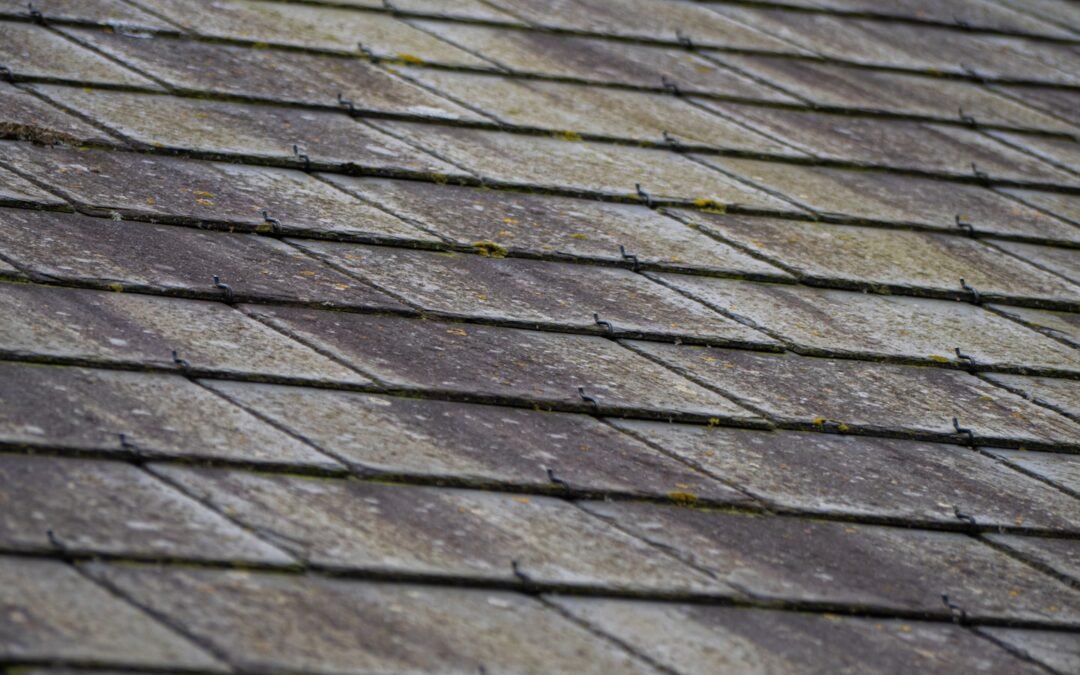
There is a particular smell to a cedar roof in early July, sun-warmed shake, a hint of dry resin, that pleasant old-Northwest scent. It is also the smell of a roof that has been quietly drying out for six weeks and is genuinely vulnerable when the sky lights up tomorrow night.
Why Cedar Is the Most Fire-Sensitive Roof in the Pacific Northwest
Cedar shakes and shingles are part of the architectural identity of older Whidbey Island farmhouses, North Bend foothill cabins, and a surprising number of homes around Lake Stevens and Olympia. They look beautiful. They breathe well. They age into a silver-gray patina that almost nothing else matches.
They are also wood. By the Fourth of July, a typical PNW summer has already pulled most of the surface moisture out of those shakes. Add ten weeks of dry east-of-the-Cascades wind events and you have a roof that behaves more like a fire pit lid than a weather barrier. An ember that would skip harmlessly off a composition shingle can lodge between two cedar courses and smolder undetected for hours.
Where Embers Actually Land
Embers don’t fall straight down. They ride convection currents off the firework, drift sideways, and settle in the lowest-energy spot they can find. On a cedar roof, that almost always means:
- The keyway gaps between shakes
- Cupped or curling shingle edges
- Moss patches still holding a bit of moisture (the moss itself is fine, the dry debris underneath is not)
- Valleys packed with fir needles
- Open ridge caps where the underlayment shows
If your home sits in a wooded pocket of Gig Harbor, Snohomish, or the Monroe foothills, the tree canopy above the roof catches embers and then drops them onto your shakes. The roof is the second landing zone, not the first.
Treatments and Preventative Steps That Actually Help
A few things make a real difference, and a few are marketing. Here is what our team at Premier Roofing NW recommends for cedar owners heading into the holiday:
Worth doing:
- Clear all debris from valleys, gutters, and ridge intersections
- Apply a fresh coat of a fire-retardant treatment rated for wood roofing, ideally on a cooler morning when the wood can absorb it (timing it before the Fourth is tight but possible for next year)
- Replace cupped, split, or end-rotted shakes before the holiday
- Install or upgrade to spark-arresting screens on chimneys and attic vents
- Wet the roof down in the late afternoon if conditions are extremely dry and you can do so safely
Skip:
- Garden hose “soaking” of a hot, dry roof at dusk, the surface dries again within an hour and you have just added evaporation, not protection
- Improvised water mister setups, they rarely cover the roof evenly
For older PNW homes still wearing their original cedar (we see plenty around Stanwood and the Whidbey shoreline), the better long-term move is often a planned replacement with Class A fire-rated composition or metal. Our crews can match the aesthetic with profile and color choices that honor the original look without the fire profile.
What to Do If You Spot Smoke
This is the part homeowners don’t think about until 11pm on July 4th. If you see, smell, or suspect smoke coming from your roof:
- Call 911 first, then everyone else
- Get everyone out of the house, including pets
- Do not climb on the roof to investigate
- If you can do so safely from the ground, aim a hose at the area
- Open the attic hatch only if you are at the door ready to leave, smoke draws air and a fire that was smoldering can flash
A cedar roof fire that catches early is often manageable. One that gets into the attic is usually a total loss. The difference is minutes.
Older Homes Deserve a Fresh Look
If your cedar roof is more than 20 years old, this is the year to have us out for a free assessment. We are a GAF Master Elite installer, certified with four major shingle manufacturers, and we have been replacing and matching cedar roofs across the Puget Sound region for more than three decades. Whether the answer is targeted shake repair, a fire-retardant refresh, or a full replacement with a modern Class A system, we can walk you through what your specific roof needs.
Call Before the Fireworks Start
Holiday or not, smoke on a cedar roof is the kind of call no one wants to make. If your shakes are looking dry, dark in spots, or just older than you’d like, reach our team at (425) 247-0088 for a free inspection. We will tell you straight whether your roof is in good shape for this Fourth, or whether it is time to start planning something more permanent.