
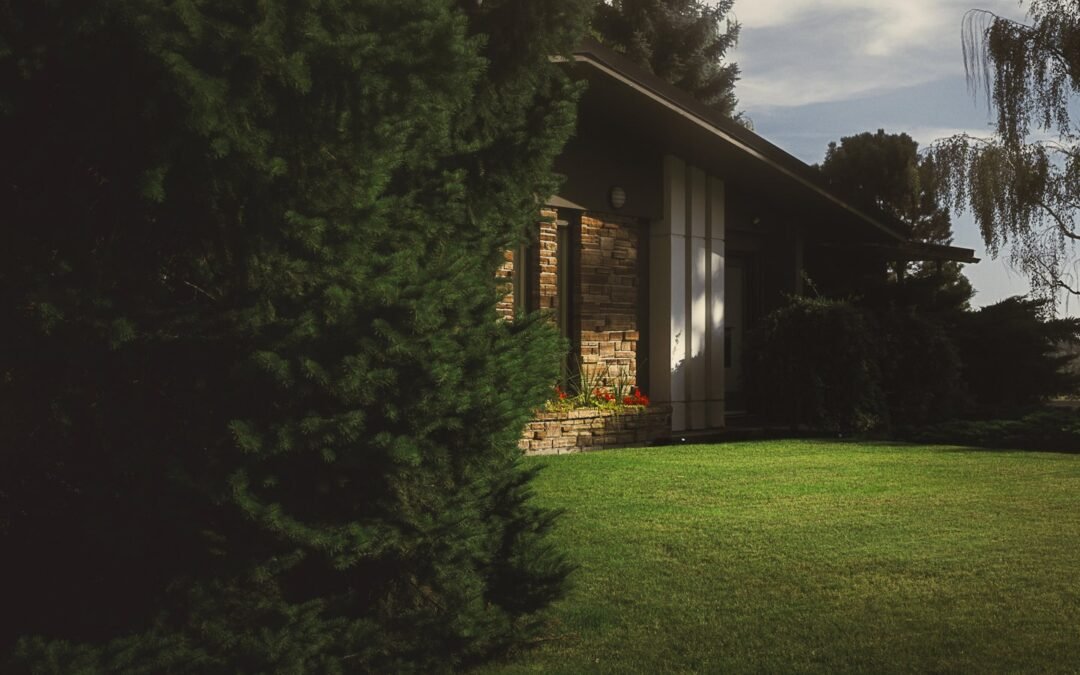
Memorial Day weekend in North Bend is the unofficial start of porch season — and if you’re firing up the grill or hosting family for the first backyard gathering of the year, it’s worth spending twenty minutes looking up at your roof before you look down at the burgers. The I-90 corridor at the base of the Cascades takes a unique beating each winter, and the holiday weekend is the natural prompt to make sure everything up top is ready for the next several months of sun, dust, and conifer debris.
Our crews at Premier Roofing NW work the foothills constantly, and we’ve learned that North Bend roofs need a different kind of spring attention than the lowland Puget Sound homes ten miles west.
What the Cascade Foothills Actually Did to Your Roof This Winter
North Bend, Snoqualmie, and the homes scattered along Middle Fork and South Fork Snoqualmie roads sit in a genuinely different climate zone than the rest of the I-90 corridor. You get more snow, deeper freeze-thaw cycles, and significantly more wind loading from the valley pulling weather down out of the mountains.
Snow load itself rarely damages a properly-built modern roof, but the freeze-thaw cycles do real cumulative work. Water gets into hairline cracks in the shingle surface, freezes, expands, and slowly enlarges those cracks across hundreds of cycles per winter. By May, what was a small surface imperfection in October can be an open seam.
Ice dams are the other foothills-specific issue. North Bend homes with insufficient attic insulation get warm air rising into the attic, melting snow on the upper roof, which then refreezes at the cold eaves and forces water back up under the shingles. We see the evidence in May — staining on the underside of the roof deck above the soffits, sometimes paired with water damage on the interior wall headers below.
The Conifer Debris Problem Is Worse Than You Think
If your North Bend property has Douglas fir, hemlock, or cedar within thirty feet of the house — and most do — your roof and gutters are full of needles right now. Conifer needles are particularly bad for several reasons.
They’re acidic. As they decompose in your gutters and against your roof surface, they release tannins that accelerate corrosion of metal flashing and staining of light-colored shingles. They also pack down into dense mats that hold moisture against the roof surface for weeks at a time, which is exactly the condition that breeds moss and lichen.
In valleys where two roof slopes meet, needle accumulation can build up to the point that it dams water flow and forces it sideways under the shingles. We’ve pulled inches-thick needle compost out of valleys on homes where the owners had no idea anything was wrong until the ceiling stained.
Your gutters need to be physically cleared — not just blown out — at least twice a year if you have nearby conifers. Many of our North Bend customers go with optional gutter guards specifically because of this, since needles slip through standard screens but get caught by properly-designed micromesh systems.
A Memorial Day Checklist You Can Actually Do
Before the holiday weekend, walk the perimeter of your home and check the following:
- Look at the roof slopes from multiple angles. Are there visible debris piles in the valleys? Any spots where shingles look discolored or lifted?
- Check the gutters for needle accumulation, granule sediment, and any sagging brackets. Sagging means the fasteners pulled out during ice loading and need to be reset.
- Examine the fascia and soffits for water staining, peeling paint, or any signs that ice dam moisture wicked down behind the gutters this winter.
- Look at the chimney flashing if you have one. Foothills wind loading is particularly hard on flashing seals, and chimneys are the single most common leak source on North Bend homes.
- From inside, check the attic on a sunny morning. Any daylight, any staining on the underside of the deck, any compressed insulation — note the location and call us.
Why Now and Not in August
The reason we push the Memorial Day timing specifically is that the next four months are when most of the actual stress on your roof happens in the foothills — not from the weather, but from your use of the home. Summer is when people host gatherings, run AC harder, use the attic for storage, and generally don’t notice problems until something starts dripping.
Catching issues now means you go into the busy season knowing your roof is sound. It also gives our team time to handle anything that needs repair before the late-summer wildfire smoke pushes everyone’s schedules tighter and before fall storms start the wet season again.
Our crews are certified installers with four major shingle manufacturers, and we carry workmanship warranties up to 15 years on top of the manufacturer coverage — meaning a repair done now isn’t just a patch, it’s backed work.
Want us to come out and take a look before the summer really kicks in? Dial (425) 247-0088 and we’ll get a free inspection on the calendar. We honor senior, military, and first-responder discounts as well — just mention it when you call. Thirty-plus years working North Bend and the I-90 corridor means we know what these foothills homes need.